Understanding Lexile Reading Levels by Grade Chart
Reading development is an essential part of a student’s academic growth. To help parents and educators assess reading ability and choose appropriate texts, the Lexile Framework for Reading offers a valuable measurement system. This blog post explores what Lexile reading a-z levels are, how they work, and provides a helpful grade-by-grade chart for easy reference.
What Are Lexile Reading Levels?
Lexile reading levels measure both the complexity of texts and the reading ability of individuals. Created by MetaMetrics, the Lexile Framework assigns a number to books and readers, allowing for a precise match between a student’s reading skills and texts they can comprehend.
How Lexile Measures Work
Lexile measures typically range from below 200L for beginning readers to above 1600L for advanced readers. A student receives a Lexile score after completing a standardized reading test. Similarly, books are analyzed and assigned Lexile scores based on word frequency and sentence length.
For example, a book rated at 750L would be suitable for a student reading at or around that same level. However, reading preferences, content appropriateness, and interest level should also be considered when selecting materials.
Why Lexile Levels Matter
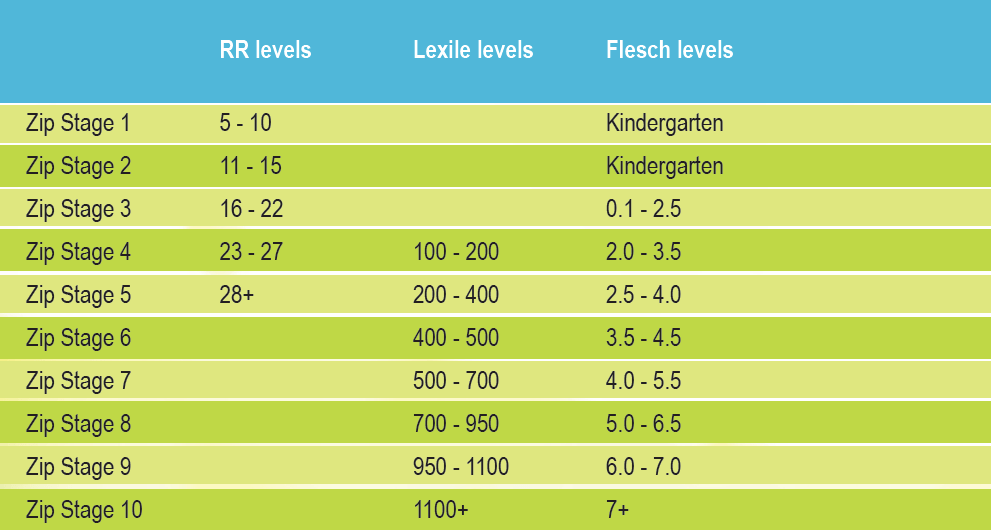
Lexile levels are useful tools for guiding reading instruction, identifying appropriate reading materials, setting goals, and tracking progress over time. They also help avoid texts that are too easy or too difficult, which can lead to disengagement or frustration.
Lexile Reading Levels by Grade Chart
The following chart shows typical Lexile ranges by grade level. These ranges represent the middle 50% of students in each grade and can help you find books that match your child’s reading ability.
Grade-Wise Lexile Chart
Kindergarten: BR (Beginning Reader) to 300L
1st Grade: 200L to 500L
2nd Grade: 300L to 600L
3rd Grade: 500L to 800L
4th Grade: 600L to 900L
5th Grade: 700L to 1000L
6th Grade: 800L to 1050L
7th Grade: 850L to 1100L
8th Grade: 900L to 1150L
9th Grade: 1000L to 1200L
10th Grade: 1050L to 1250L
11th–12th Grade: 1100L to 1300L
Note: BR (Beginning Reader) is used for books and readers with Lexile levels below zero.
How to Use the Lexile Chart Effectively
Pair Students with the Right Books
Once you know a student’s Lexile level, use the chart to select books in their range. Reading within this range supports growth by presenting just enough challenge without causing discouragement.
Set Reading Goals
Teachers and parents can use Lexile levels to set yearly reading targets. For example, if a fifth-grader starts the year at 750L, a reasonable goal might be to reach 850L by the end of the year.
Monitor Progress
As students improve, their Lexile scores should increase. Regular testing can help monitor this growth and adjust reading material accordingly.
Limitations of Lexile Measures
While Lexile scores are useful, they don’t consider content difficulty, maturity level, or student interest. A student might technically read at a high Lexile level but may not be emotionally ready for themes in more mature books. It’s always wise to preview texts and consider other factors alongside Lexile scores.
Final Thoughts
Lexile reading levels by grade offer a practical framework for supporting reading development. By understanding these levels, educators and parents can better guide students toward materials that match their skills and keep them engaged. Always remember that reading success isn’t just about numbers—it’s about fostering a love of learning, curiosity, and confidence.
Whether you’re choosing books for a classroom or helping your child grow as a reader, the Lexile chart is a simple and effective starting point for making informed decisions.
 Lexile Reading Levels by Grade Chart